Open 24 Hours, 7 Days a Week
When comfort matters most, you need reliable HVAC professionals available around the clock. Our certified technicians handle everything from emergency repairs to complete system installations, ensuring your home or business maintains the perfect climate year-round.
From routine maintenance and tune-ups to indoor air quality improvements, we provide comprehensive HVAC solutions tailored to your needs. With flexible maintenance plans and prompt emergency response, we keep your system running efficiently when you need it most.
Stay cool and comfortable with our comprehensive Paso Robles air conditioning repair solutions. From routine maintenance and tune-ups to emergency repairs and system diagnostics, we keep your air conditioning running at peak performance throughout the hottest months.
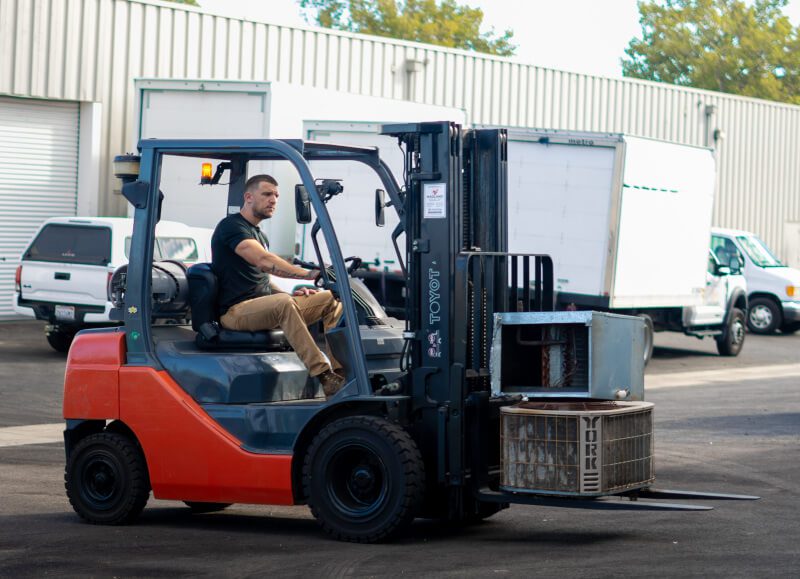
Keep your home warm and energy-efficient with expert heating system services. Our certified HVAC technicians provide comprehensive maintenance, repairs, and optimization for all types of heat pumps and furnaces, ensuring reliable comfort when temperatures drop. Offering a full range of Paso Robles heating and cooling services.
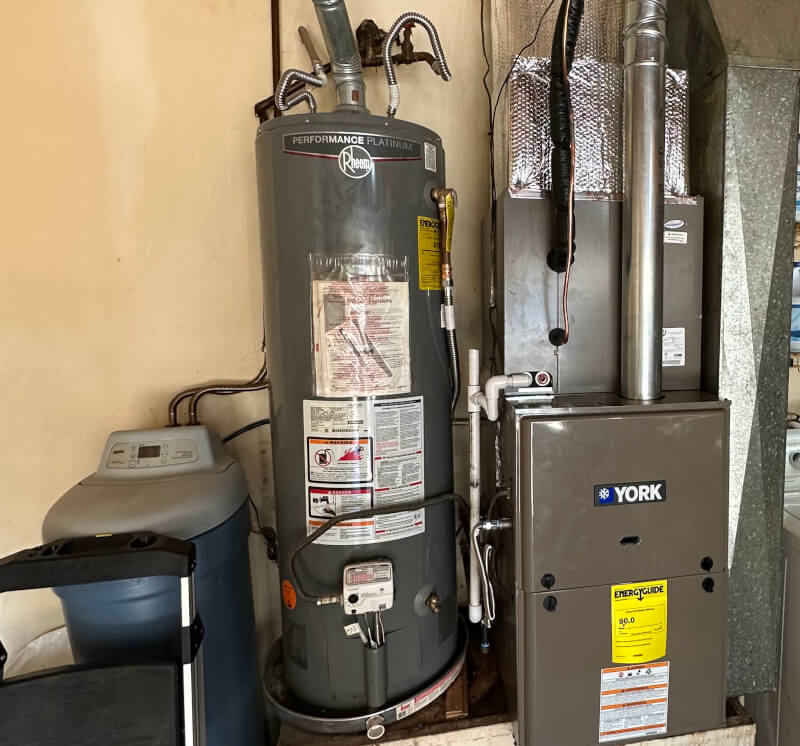
EXCELLENTTrustindex verifies that the original source of the review is Google. We had an old water heater crack and start to flood the garage a bit on a Friday afternoon. I had to turn the water off to get ahold of the situation and got in touch with On point plumbing. Shane and Skyler went out of their way to work late into their Friday evening to install a new water heater for us so that we could have water before the weekend. They were professional, knowledgeable, and got right to work once they arrived. Everything is now up to code, and they added a spigot leading outside so if anything similar happens in the far future, the garage won’t be flooded again. My family and I are super grateful to have had the situation resolved quickly and efficiently!! I can’t recommend this company enough. Don’t hesitate to call them!!Posted onTrustindex verifies that the original source of the review is Google. Fantastic Service ! Highly recommend.Posted onTrustindex verifies that the original source of the review is Google. Excellent service and very professional!Posted onTrustindex verifies that the original source of the review is Google. On point was on point! They were the 2nd company to look at the unit. The first one wouldn't attempt it. They said couldn't be fixed. Shane at ON Point looked at it and had it running in 10 minutes! Its been working like a champ ever since!!Posted onTrustindex verifies that the original source of the review is Google. On time, knowledgeable, explained everything, AC working great!! Shane was real nice!!Posted onTrustindex verifies that the original source of the review is Google. On point plumbing was great to work with. From the first call to Rochelle, dispatching the technician and keeping me informed to Shane who showed up on time and fix my plumbing leak quickly and professional!Posted onTrustindex verifies that the original source of the review is Google. If I could give them 10 stars I would! Rochelle was able to set a fast appt for me- she is very nice and professional. I received email and text reminders for the appt, as well as a heads up text that they were on the way. Skyler and Shane were on time and were able to repair the lines for my washer and dryer super quick. They also sent me pictures of the before and after- what a difference! From crusty dusty to shiny brand new! Now I have hot water again!! Thank you so so much. You guys are the best!! Highly recommend for any and all Plumbing or HVAC needs you have. Give them a call, you won't regret it. You can trust these guys to do it right the first time.Posted onTrustindex verifies that the original source of the review is Google. On-time, very knowledgable and professional. The tech found the problem, right away and had the quick fix. I would use them again for any of the plumbing needs.Posted onTrustindex verifies that the original source of the review is Google. Everything was great!!! Job done and completed as promised.
Get your HVAC system back up and running with expert diagnostic and Paso Robles HVAC repair services. Our skilled technicians quickly identify issues and provide reliable repairs for all types of heating and cooling equipment, restoring comfort and efficiency to your home or business.
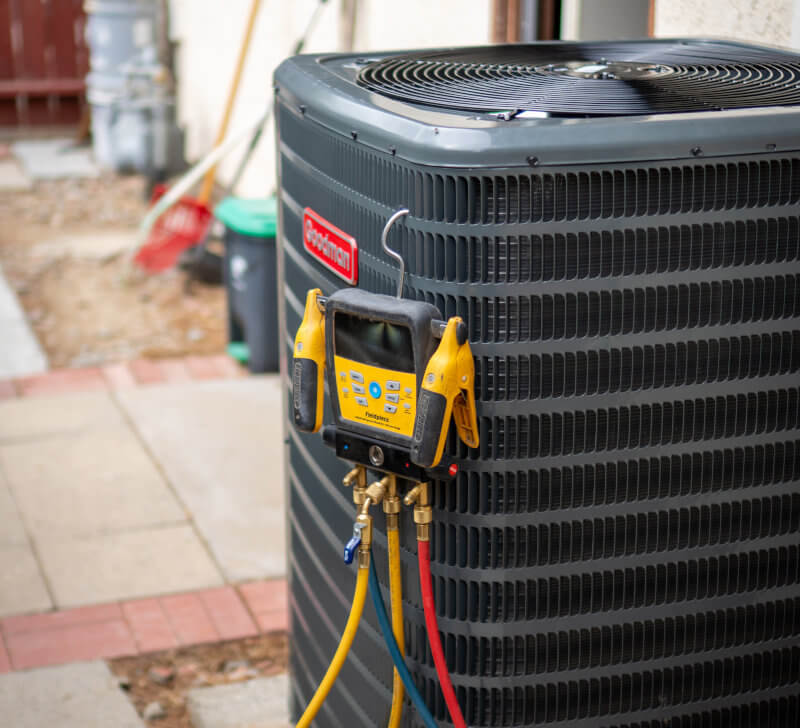
Breathe cleaner, healthier air with our comprehensive indoor air quality services. We install advanced air purification systems, replace filters, and implement solutions to reduce allergens, dust, and contaminants, creating a healthier environment for your family or employees.

Stay ahead of Paso Robles plumbing repair problems with our customized preventative maintenance programs. We’ll create a flexible maintenance schedule tailored to your property’s specific needs, helping you avoid costly repairs and unexpected breakdowns. You can trust us as your go-to Paso Robles plumber.
The $5,000 rule offers homeowners a straightforward way to decide between fixing or replacing their HVAC system. Here’s how it works: take your system’s age in years and multiply it by what the repair would cost. When that number exceeds $5,000, replacement typically makes more financial sense. When it falls below $5,000, repairing is usually the better choice.
This widely recognized formula in the heating and cooling industry provides a practical benchmark for what can otherwise be a difficult decision about a major home expense.
For a typical 2,000–2,500 square foot home, you can expect to pay between $10,000 and $20,000 for a complete HVAC system installation that includes both heating and cooling. Most homeowners end up spending around $14,000.
Keep in mind that prices can vary significantly based on several factors, including your location, the specific equipment you choose, the complexity of the installation, and your home’s existing ductwork. It’s always a good idea to get multiple quotes from licensed contractors in your area to understand what you’ll actually pay for your particular situation.
A standard HVAC installation typically runs between $10,000 and $15,000, though high-efficiency models for bigger homes can push past $20,000.
If you’re looking at individual components, here’s what to expect: air conditioning units generally fall in the $3,500–$8,500 range after installation, heat pumps run $4,000–$10,000, and furnaces cost about $3,000–$6,500. Should you need new ductwork installed or replaced, plan on another $2,000–$5,000 on top of your equipment costs.
Keep in mind that prices definitely vary depending on your geographic area, the brand and efficiency rating you select, labor rates in your region, and the specific requirements of your home. Getting quotes from multiple local HVAC contractors will give you a much clearer picture of actual costs in your market.
It depends on what type you have, but with regular upkeep, most systems serve you well for 15 to 25 years.
What to expect from different systems:
What influences how long your system lasts:
Maintenance matters – Scheduling routine professional service and staying on top of filter changes can add years to your system’s life.
Your climate plays a role – Systems working overtime in harsh conditions—whether extreme heat or bitter cold—tend to wear out faster.
Frequency of use counts – If your system runs year-round for both heating and cooling, it may not last as long as one that only works seasonally.
Installation quality is critical – A properly installed system runs more efficiently and reliably, setting it up for a longer lifespan from day one.
The compressor tops the list as the priciest component in your HVAC system. Think of it as the engine that keeps everything running—it pushes refrigerant through the system, and replacing one can really hit your wallet hard.
Right behind it is the evaporator coil, which handles the crucial job of heat transfer in your air conditioning system. This component is also among the most costly to replace when it fails.
These two parts represent significant investments if they need replacement, which is why preventive maintenance is so important to keep them running smoothly for as long as possible.
Your homeowners insurance can potentially protect your HVAC system in a couple of different ways. If you have a built-in unit, it typically falls under your dwelling coverage since it’s considered a permanent part of your home’s structure. Alternatively, some systems might be covered through your personal property protection, depending on the type of unit and your specific policy.
That said, coverage usually depends on what caused the damage. Sudden and unexpected events like storms or fire are generally covered, while gradual wear and tear or lack of maintenance typically aren’t. It’s worth reviewing your policy details or talking with your insurance agent to understand exactly what protection you have for your HVAC system.
Choosing the right SEER rating comes down to where you live, what you can spend, and how much you want to save on energy costs. Since 2023, federal regulations require at least 14 SEER in northern states and 15 SEER in southern regions. For most people, a unit rated between 15 and 18 SEER hits the sweet spot—offering solid efficiency without breaking the bank upfront. If you’re running your AC constantly or have a larger home, you might want to look at 17-20 SEER or higher for better savings and comfort.
Breaking down your options:
14-16 SEER: Basic efficiency
17-20 SEER: Enhanced efficiency
20+ SEER: Premium efficiency
Making your decision:
Know your regional requirements – Your new system must meet the minimum SEER threshold for your area: 14 in the north, 15 in the south as of 2023.
Factor in your climate and habits – The more you rely on air conditioning, especially in hotter areas, the more value you’ll get from a higher-rated unit.
Weigh upfront costs against long-term savings – Yes, higher SEER systems cost more initially, but they can substantially lower your utility bills over the system’s lifetime. Run the numbers to see if the payback period makes sense for you.
Don’t overlook bonus features – Premium SEER units often include perks like variable-speed technology that does a better job managing both temperature and humidity for enhanced comfort throughout your home.
Absolutely—a 25-year-old furnace has reached or exceeded its expected lifespan, which typically ranges from 15 to 25 years. At this age, replacement is almost certainly the smarter move.
Here’s why: today’s furnaces are far more energy-efficient than models from a quarter-century ago, which means you’ll see noticeable savings on your heating bills. Plus, an aging furnace becomes increasingly unreliable, putting you at risk for breakdowns during the coldest months and racking up repair costs that could be better spent toward a new system.
Beyond efficiency and reliability, older furnaces can also pose safety concerns and may struggle to heat your home as effectively as they once did. Replacing now lets you choose a modern, efficient unit before you’re forced into an emergency replacement during a cold snap.
The Top 10 Most Common HVAC Repairs Homeowners Face
Clogged air filters – When filters get dirty, airflow drops and your system has to work harder, leading to reduced efficiency and potential overheating.
Refrigerant leaks – Leaking refrigerant lines mean your system can’t cool properly, and you’ll notice weaker performance and higher energy bills.
Dirty coils – Both condenser and evaporator coils accumulate grime over time, which hampers heat transfer and forces your system to struggle.
Electrical failures – Faulty wiring, worn contacts, and failing capacitors can cause your system to short-circuit or stop working altogether.
Ignition or pilot light problems – Furnaces with malfunctioning ignition systems or pilot lights won’t start up, leaving you without heat when you need it most.
Thermostat malfunctions – A faulty thermostat can misread temperatures, causing your system to cycle incorrectly or not turn on at all.
Tripped circuit breakers – Electrical overloads or short circuits will trip your breaker, shutting down your HVAC system until the underlying issue is addressed.
Blower motor issues – When the blower fails or runs poorly, air won’t circulate through your home effectively, compromising comfort.
Drainage problems – Clogged condensate drain lines can cause water backup, potentially leading to leaks and water damage.
Worn belts and bearings – These mechanical components wear out over time, creating noise and reducing your system’s efficiency until they’re replaced.
Many of these issues can be prevented with regular maintenance, which is why scheduling annual tune-ups is one of the best investments you can make in your HVAC system’s longevity.
A new furnace typically costs between $3,800 and $10,000, though where you land in that range depends on several key factors. The size of the unit, the type of furnace you choose (gas, electric, or oil), and its efficiency rating all play major roles in determining the final price.
Keep in mind that prices definitely vary based on your location, local labor costs, the complexity of the installation, and whether you need any modifications to your existing setup like ductwork changes or electrical upgrades. Brand selection and available rebates or incentives can also impact what you’ll actually pay.
To get an accurate assessment for your specific situation, it’s best to obtain quotes from multiple licensed HVAC contractors in your area. They can assess your home’s needs and give you pricing that reflects your local market.